


Best practices for cultural alignment in offshore teams focus on shared values, predictable ways of working, and respectful communication across locations. When teams understand each other’s norms, they collaborate faster and avoid many silent misunderstandings. Cultural alignment turns geographic distance into an advantage instead of a barrier.
Aligning organizational culture and a company's values is a strategic necessity for offshore teams, especially as organizations face unique challenges in accessing and integrating global talent. These foundational elements help ensure that distributed teams can overcome obstacles related to trust, communication, and cultural integration.
In offshore settings, culture shows up in everyday details such as how people give feedback, raise risks, and make decisions. This guide explains why cultural alignment matters, which practices work best, how to improve cross-cultural communication, and what leaders can do to set the tone. It finishes with practical FAQs you can use as a checklist for your own global teams.
To hire offshore teams with vetted and top performers, Flexiple offers a streamlined, high-quality hiring process designed for companies that demand both efficiency and excellence.
Why Is Cultural Alignment Important in Offshore Teams?
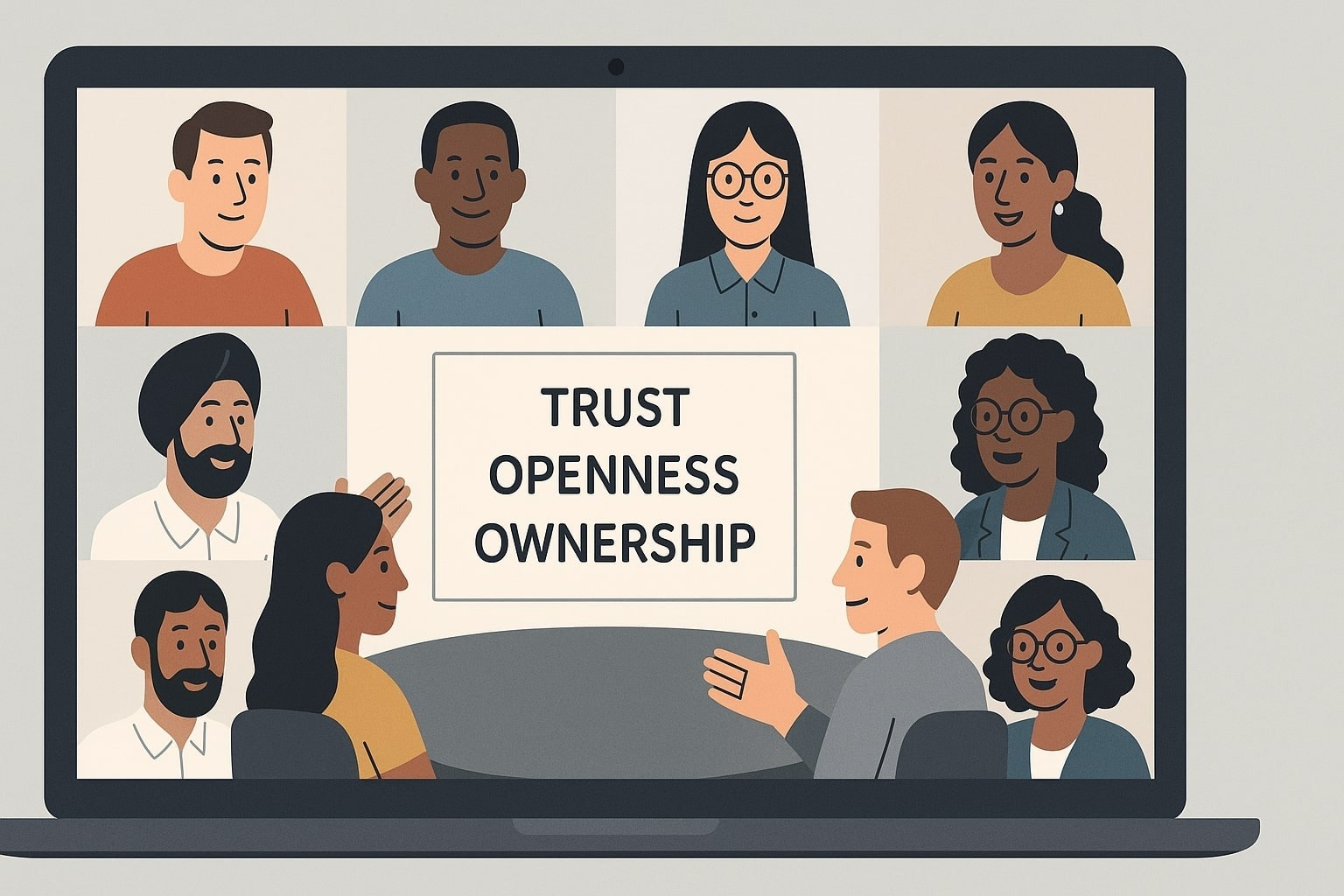
Cultural alignment is important in offshore teams because it directly affects trust, speed, and quality of collaboration. When people share common expectations, they spend less time decoding behaviour and more time solving problems. This is critical when teams rarely share the same office or time zone.
Cultural Alignment Drives Performance
Cultural alignment drives performance by reducing friction around everyday tasks. Team members understand how quickly they should respond, how to raise blockers, and how decisions are made. This clarity keeps projects moving even when schedules are tight.
When teams have the right skills and are culturally aligned, both operational efficiency and success metrics improve, leading to better overall performance and organizational outcomes.
Alignment Reduces Friction and Rework
Alignment reduces friction and rework because people interpret instructions and feedback in similar ways. By addressing communication barriers and fostering a shared understanding, cultural alignment helps ensure that team members overcome language and style differences, making collaboration smoother. Misunderstandings about tone or hierarchy cause fewer delays. Teams can debate ideas without worrying that disagreement will be taken as disrespect.
Shared Culture Strengthens Retention
Shared culture strengthens retention by making offshore teammates feel like full partners, not a cheap add-on. Treating offshore employees and offshore staff as valued employees increases engagement and retention. When values and rituals are consistent, people see a long-term future with the company. This stability protects hard-won domain knowledge.
What Are the Best Practices for Achieving Cultural Alignment in Offshore Teams?
The best practices for achieving cultural alignment in offshore teams center on clear purpose, co-created norms, and a consistent onboarding experience. These practices move culture from abstract words to concrete daily behaviours. They also give offshore teams a voice in shaping how work happens.
Start With a Clear Shared Purpose
You start with a clear shared purpose so everyone knows why the team exists. Establishing clear expectations, aligning with the company's vision, and reinforcing organizational values are essential for ensuring everyone works toward the same goals. Explain the business goals, customers served, and impact of the work. Refer back to this purpose during planning and retrospectives so decisions stay anchored.
Cultural alignment is most effective when reinforced through training offshore teams.
Co-Create Team Norms and Ways of Working
You co-create team norms and ways of working rather than imposing them. Discussing work style, work ethics, and the importance of daily interactions helps shape effective team norms. Ask onshore and offshore members how they prefer to communicate, plan, and escalate issues. Turn the results into a simple “team charter” that covers meetings, response times, and decision rules.
Embed Values Into Daily Rituals
You embed values into daily rituals such as standups, demos, and one-on-ones. If you value transparency, encourage people to share blockers openly. If you value learning, dedicate a few minutes in retrospectives to discuss experiments and lessons.
These rituals support cultural adoption by making values visible in everyday work.
Hire and Onboard for Cultural Fit and Add
You hire and onboard for cultural fit and add so new teammates strengthen the culture instead of diluting it. Effective talent acquisition and offshore hiring processes often include cultural sensitivity tests and behavioral interviews to ensure candidates are a good fit. Use interviews to explore how candidates handle feedback, conflict, and remote collaboration. During onboarding, walk them through the team charter and real examples of how values show up at work.
Practical tips for managing offshore teams can be adapted to local cultural contexts.
Example Cultural Alignment Practices and Their Impact
|
Practice |
Description |
Primary Impact |
|
Team charter workshop |
Joint session to define norms and expectations |
Fewer misunderstandings and escalations |
|
Regular cross-location retrospectives |
Shared reflection on what works and what does not |
Continuous improvement and shared ownership |
|
Buddy system across locations |
Pairing new hires with someone in another country |
Faster integration and stronger relationships |
|
Recognition that highlights values |
Public thanks tied to specific behaviours |
Reinforces desired culture in daily work |
|
Mentorship programs |
Pairing offshore team members with experienced onshore mentors for guidance and support |
Facilitates cultural integration and knowledge transfer |
|
Team building activities |
Virtual or in-person events designed to foster relationships and collaboration |
Strengthens team bonds and promotes cultural understanding |
|
Virtual coffee breaks |
Informal video calls for social interaction and sharing cultural insights |
Builds relationships and supports a positive team culture |
How to Improve Cross-Cultural Communication in Offshore Teams?
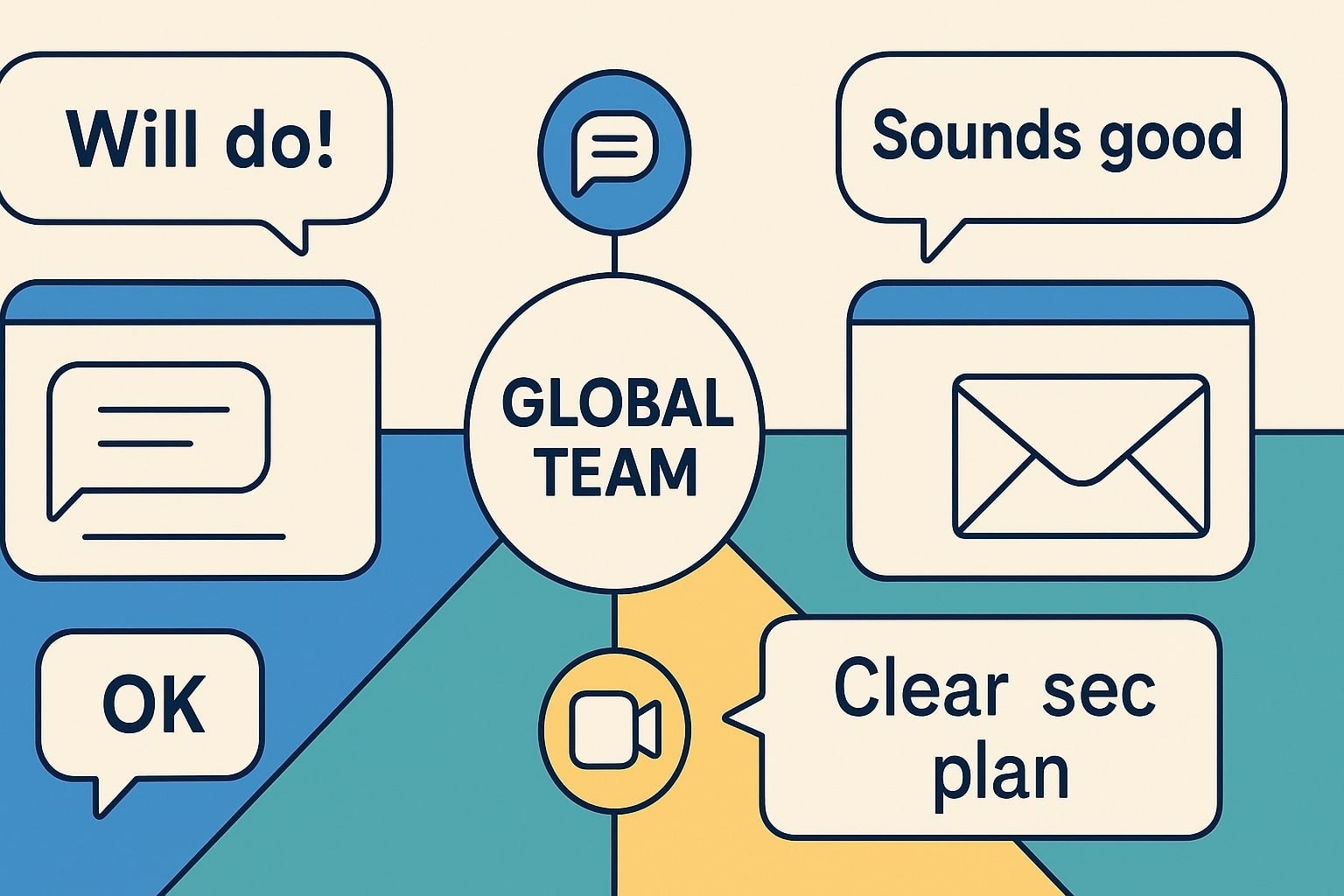
You improve cross-cultural communication in offshore teams by simplifying language, choosing the right channels, and making it safe to ask for clarification. Good communication is less about perfect grammar and more about structure and intent. Teams that communicate clearly solve problems faster and make fewer risky assumptions.
Use Plain Language and Structured Messages
You use plain language and structured messages so everyone understands the core point quickly. Short paragraphs, clear subject lines, and direct questions cut through noise. Avoid idioms, sarcasm, and local slang that may confuse colleagues who learned English differently.
Transparent communication ensures everyone is on the same page and builds trust.
Choose the Right Channels for Each Interaction
You choose the right channels for each interaction to avoid overload. Using collaborative tools enables real time collaboration and seamless interaction between team members, ensuring everyone stays connected and informed. Use chat for quick questions, email for longer context, and video calls for sensitive or complex topics. Document key decisions in a shared space so people who missed the meeting can catch up.
Encourage Clarifying Questions and Feedback
You encourage clarifying questions and feedback by showing that they are signs of professionalism, not weakness. Leaders can model this by asking, “Let me check I understood you correctly,” or “What am I missing from your perspective?” This habit prevents silent misalignment.
By promoting open dialogue and active feedback, this approach fosters mutual understanding and reduces miscommunication.
Train Teams in Listening Across Accents
You train teams in listening across accents so conversations stay smooth. Simple practices like speaking a bit slower, summarizing key points, and using live captions can help. When both sides adjust, meetings feel more inclusive and less tiring. Being aware of different cultural backgrounds also helps teams appreciate diverse communication styles.
What to Know About Cultural Differences When Working With Offshore Teams?
What you need to know about cultural differences when working with offshore teams is that norms around hierarchy, feedback, time, and risk vary widely. Ignoring these differences creates tension and hidden frustration. Understanding them creates empathy and better design of processes.
Understand National and Regional Culture Dimensions
You understand national and regional culture dimensions such as directness, individualism, and comfort with uncertainty. Frameworks are not rigid rules, but they give useful starting points. Use them to ask better questions rather than to label people.
Cultural considerations are essential when working with diverse teams, as they help ensure successful integration, productivity, and prevent conflicts in offshoring environments.
Watch for Differences in Power Distance and Hierarchy
You watch for differences in power distance and hierarchy because they shape how people speak to managers. In some cultures, challenging a leader in public feels disrespectful. Knowing this, you might collect feedback anonymously or in smaller groups.
Recognize Direct vs Indirect Communication Styles
You recognize direct vs indirect communication styles so you interpret messages correctly. Direct cultures say “no” clearly; indirect cultures may say “we will try” or “this will be difficult.” Learn to probe gently to uncover real constraints.
Respect Holidays, Working Hours, and Social Norms
You respect holidays, working hours, and social norms to show that offshore teammates are equals. Being mindful of each team member's geographical location helps avoid scheduling conflicts and demonstrates respect for their unique context. Keep a shared calendar of local holidays and avoid scheduling key meetings on those days. This respect builds goodwill that carries into busy periods.
- Norms about hierarchy and seniority
- Styles of giving and receiving feedback
- Attitudes toward deadlines and punctuality
- Comfort with open disagreement in public forums
How to Build Trust in Offshore Teams Across Different Cultures?
You build trust in offshore teams across different cultures by combining reliable delivery with genuine human connection. Trust is not created by one big event; it grows through many small interactions. In virtual teams, those interactions must be designed, not left to chance.
Deliver on Small Commitments Consistently
You deliver on small commitments consistently so people believe your larger promises. Consistently delivering on promises also helps offshore team members feel valued and included. Simple acts like sending notes when promised or closing a ticket on time show reliability. When mistakes happen, you acknowledge them quickly and explain how you will prevent repeats.
Make Work Visible and Share Context
You make work visible and share context through dashboards, boards, and regular updates. Sharing performance data in these updates increases transparency and accountability. When teammates can see progress, they feel confident that everyone is pulling their weight. Context about “why” also helps offshore members make better day-to-day decisions.
Create Informal Touchpoints Beyond Tasks
You create informal touchpoints beyond tasks to make relationships feel human. These informal moments foster genuine human connections across locations. Short coffee chats, virtual games, or “show and tell” sessions about local festivals give people a chance to get to know each other. These moments make difficult conversations later less tense.
How Can Cultural Workshops Improve Alignment in Offshore Teams?
Cultural workshops improve alignment in offshore teams by giving people safe spaces to explore differences and practice new behaviours. Workshops make culture tangible instead of abstract. They turn theory into shared stories and agreements.
Use Workshops to Build Shared Vocabulary
You use workshops to build shared vocabulary around culture. Teams learn terms like “psychological safety,” “bias,” or “power distance” and what they mean in daily work. Having names for patterns makes it easier to talk about them calmly.
Cross cultural training sessions can also be integrated into these workshops to deepen understanding and help teams bridge cultural differences more effectively.
Practice Real Scenarios From Your Projects
You practice real scenarios from your projects instead of generic role plays. For example, teams might reenact a tense call with a client or a missed deadline. Together they explore how cultural expectations influenced reactions and what could change next time.
Turn Insights Into Concrete Team Agreements
You turn insights into concrete team agreements so workshops lead to lasting change. At the end of each session, capture 3–5 specific actions such as “we will always send agendas 24 hours before meetings.” Review these actions in future retrospectives.
What Leadership Approaches Support Cultural Alignment in Offshore Teams?
Leadership approaches that support cultural alignment in offshore teams emphasize curiosity, inclusion, and fairness. Leaders set the tone for how differences are treated. When they role-model openness and respect, teams follow.
Lead With Curiosity and Humility
You lead with curiosity and humility by assuming you do not have the full picture. Ask offshore teammates how things work in their context before deciding. Admitting when you are learning sends a strong signal that it is okay for others to do the same.
Leaders who prioritize cultural integration set a positive example for the entire team, demonstrating the importance of aligning values and building strong relationships across distributed teams.
Model Inclusive Decision-Making
You model inclusive decision-making by inviting input from all locations and levels. Involving both onshore teams and offshore members in decisions strengthens alignment and ensures seamless collaboration. Rotate who speaks first in meetings, and explicitly ask offshore members for views. Summarize what you heard and explain how it influenced the final decision.
Measure and Reward Collaborative Behaviours
You measure and reward collaborative behaviours so culture becomes part of performance, not just posters. Include teamwork, knowledge sharing, and respect for others in feedback cycles. Recognize people who bridge cultures and help others feel included. Fostering team cohesion and building a culturally aligned team or aligned team are essential for long term success in offshore environments.
FAQs About Cultural Alignment in Offshore Teams
1. How Long Does Cultural Alignment Take in Offshore Teams?
Cultural alignment usually takes six to twelve months to feel stable in offshore teams. The first months focus on building basic trust and agreements. Over time, rituals and shared language make collaboration smoother and more natural.
2. How Do You Handle Cultural Missteps or Offense?
You handle cultural missteps or offense by addressing them quickly, privately, and respectfully. Ask how the other person experienced the situation and listen fully. Share your intent, apologize if needed, and agree on a better approach for next time.
3. Can Small Companies Invest in Cultural Alignment?
Small companies can invest in cultural alignment without large budgets. Simple steps like a team charter, regular one-on-ones, and periodic workshops already make a big difference. The key investment is leadership attention, not expensive tools.
4. How Do You Measure Cultural Alignment Over Time?
You measure cultural alignment over time using a mix of surveys, retention data, and qualitative feedback. Short pulse surveys can track belonging, trust, and clarity of expectations. You can also watch for trends in escalations, handover quality, and cross-location collaboration.