


Hiring the best offshore dev teams requires a structured process that evaluates engineering quality, ownership behavior, communication clarity, and delivery reliability under distributed conditions. The “best” offshore team is not defined only by resumes or hourly rates. The best team is the one that can ship predictably, maintain quality, communicate clearly across time zones, and operate with accountability inside the company’s workflow.
| Productivity Area | Before (Average / Ad-hoc Offshore Teams) | After (Best-in-Class Offshore Dev Teams) |
| Delivery Speed | Slower releases with frequent delays | 20–40% faster feature delivery |
| Sprint Predictability | Frequent spillovers and missed commitments | 90%+ sprint commitment accuracy |
| Developer Output | Inconsistent story completion | 25–35% higher code throughput |
| Rework & Defects | High rework due to quality gaps | 30–50% reduction in rework |
| Onboarding Time | Long ramp-up before productivity | 30–45% faster time to full productivity |
| Handoff Efficiency | Work stalls across time zones | 15–25% productivity gain via structured handoffs |
| First-Pass Acceptance | Frequent revisions after reviews | 20–30% higher first-pass acceptance rate |
| Management Overhead | Heavy supervision required | 25–40% less day-to-day management effort |
| Long-Term Output | Productivity drops due to attrition | Stable, sustained productivity over time |
Offshore hiring fails when teams are selected for speed or cost without validating fundamentals like problem-solving depth, code quality, review habits, and reliability behavior. It succeeds when companies define what “good” looks like, screen for it consistently, and run an evaluation process that mirrors real delivery. The strongest offshore teams are built through repeatable hiring criteria, disciplined assessments, and clear finalization steps.
Why Should Companies Hire the Best Offshore Dev Teams?
Companies should hire the best offshore dev teams because offshore success depends on reliability and quality more than it depends on cost savings. Offshore teams that are “good enough” on paper often create hidden costs through rework, missed deadlines, and heavy management overhead. Strong teams reduce delivery risk, protect product quality, and create compounding value through stable ownership.
Strong Offshore Teams Reduce Rework and Hidden Costs
Rework is one of the largest cost multipliers in distributed delivery. Teams that ship clean, testable, maintainable code reduce downstream bug fixes and production incidents. Lower rework converts offshore hiring into real cost-per-outcome savings.
Better Teams Improve Delivery Predictability
Predictability matters because offshore work is sensitive to decision delays. Strong teams operate well with written clarity, defined acceptance criteria, and consistent release discipline. Predictable teams protect roadmaps and reduce stakeholder friction.
High-Quality Offshore Teams Scale Faster Over Time
Scaling becomes easier when the initial team is strong. Strong teams onboard new engineers faster because standards and workflows are consistent. This creates compounding operational leverage across multiple quarters.
Strong Teams Improve Cross-Time-Zone Collaboration
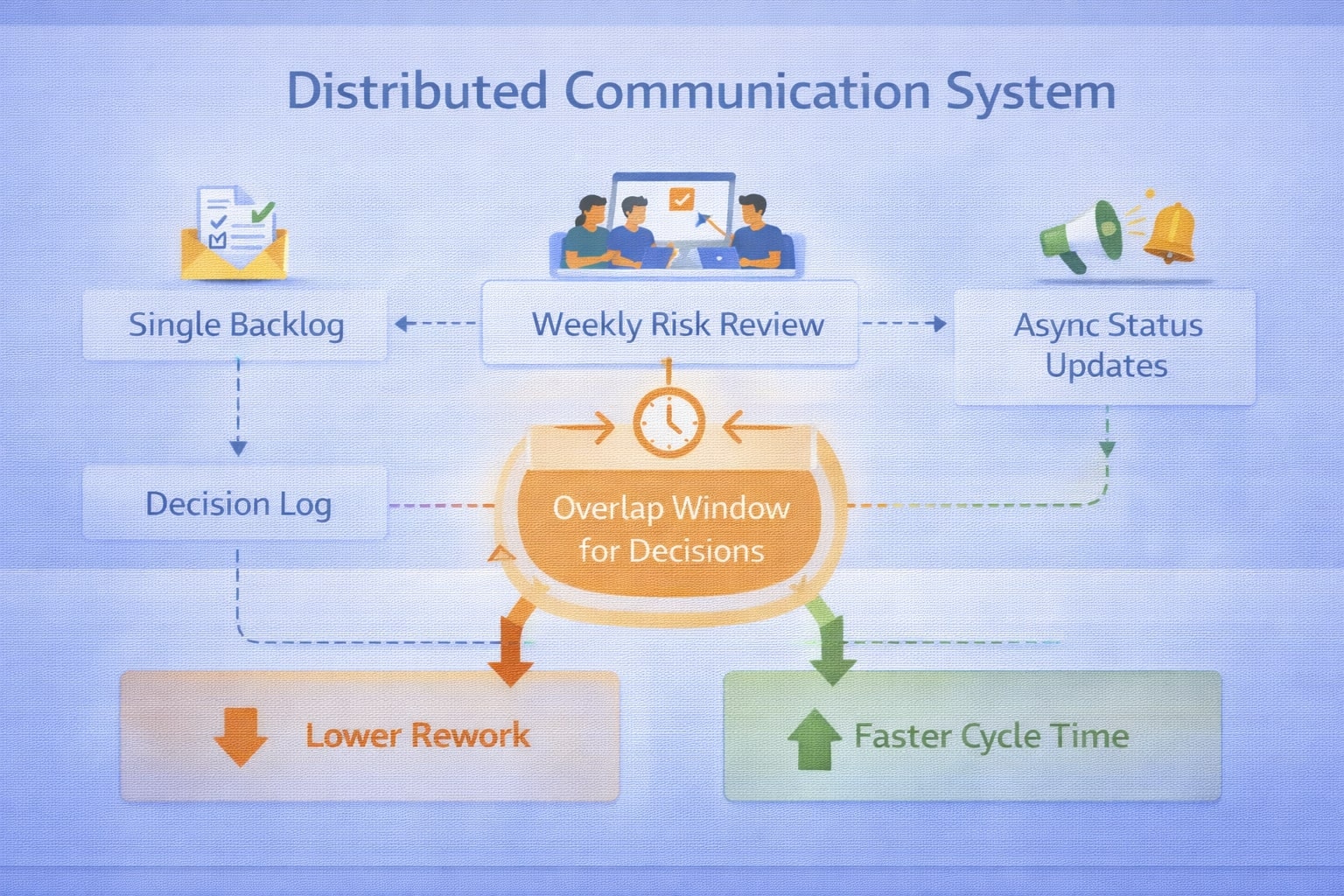
Cross-time-zone collaboration improves when teams communicate clearly and escalate blockers responsibly. Weak collaboration increases waiting time and slows cycles. Strong offshore teams treat communication as part of engineering work. Before diving into recruitment tactics, it’s helpful to understand the benefits of hiring offshore dedicated development teams so you can prioritize quality and long-term value over short-term cost savings.
What Defines the Best Offshore Dev Teams for Your Project?
The best offshore dev team for a project is defined by role fit, delivery maturity, technical depth, and the ability to operate within the project’s constraints. Different projects require different strengths. A modern SaaS product needs different characteristics than a migration-heavy platform program.
Role Fit and Specialization Match the Product Surface
Role fit matters because a backend-heavy platform needs strong backend and DevOps capability, not just generalist developers. A mobile product needs deep iOS and Android experience. The best team is one whose specialization matches the work that will be owned.
Delivery Maturity Shows Up in Habits, Not Claims
Delivery maturity matters because distributed teams need disciplined habits. Mature teams write clear updates, estimate responsibly, and manage scope changes cleanly. Immature teams often deliver features that look complete but fail under real usage.
Quality Standards Must Match the Company’s Expectations
Quality standards must match because code quality variance creates long-term maintenance cost. The team should demonstrate review discipline, testing habits, and predictable release behavior. The best teams treat quality as a system, not as a last-minute step.
Ownership Behavior Is More Important Than “Task Completion”
Ownership behavior matters because offshore teams fail when they behave like ticket executors. The best teams ask the right questions, highlight edge cases, and propose safer alternatives. Ownership behavior reduces risk and improves outcomes.
Communication Clarity Must Hold Up Under Partial Overlap
Communication clarity matters because decisions must move with limited overlap. The best teams can communicate asynchronously with structured updates. They can also run high-signal discussions when overlap windows are available.
How to Hire the Best Offshore Dev Teams?
Hiring the best offshore dev teams requires a repeatable process: define the target, source selectively, screen quickly, evaluate deeply, validate delivery behavior, and finalize with clear terms. A strong hiring process prevents selecting teams that look good in early calls but fail under real delivery. The process should be designed to measure how the team will operate after hiring.
Start by Defining the Work as Ownership, Not Roles
Defining ownership works because it clarifies what success looks like. Instead of hiring “two backend engineers,” define the service or product module they will own. Ownership definition improves both hiring accuracy and onboarding speed.
Build a Scorecard That Matches the Project’s Risks
A scorecard reduces bias and improves consistency. It should include technical quality, problem-solving, communication clarity, ownership behavior, and delivery maturity. The scorecard should also include risk factors such as security sensitivity and production reliability expectations.
Choose a Hiring Model That Supports the Desired Control
The hiring model affects delivery reliability. Direct hiring, EOR employment, staff augmentation, and managed teams create different levels of control and accountability. The best model is the one that matches required governance and long-term scale plans.
Run an Evaluation That Mirrors Real Work
Mirroring real work produces better signal than generic tests. The best teams demonstrate how they think through requirements, write code, test, review, and ship. The goal is to evaluate delivery behavior, not only problem-solving.
Protect Hiring Speed Without Lowering Standards
Hiring speed matters because delayed hiring increases opportunity cost. Standards must not drop to achieve speed. The best processes shorten cycles by using structured filters and clear pass/fail criteria.
What Screening Steps Help Identify the Best Offshore Dev Teams?
Screening steps identify the best teams by filtering for role fit, evidence of quality, communication clarity, and delivery maturity early in the process. The goal is to eliminate weak fits quickly without wasting deep interview time. Screening should focus on signals that predict real delivery.
Screen for Relevant Product and System Experience
Relevant experience matters because it reduces ramp time and lowers risk. The screening should check whether the team has shipped similar systems and handled similar scale or reliability constraints. Domain fit is valuable when it reduces onboarding and rework.
Screen for Code Quality Through Real Artifacts
Artifacts provide stronger signal than claims. Repositories, architecture notes, design write-ups, and samples of production work show quality habits. Strong teams can explain tradeoffs and justify their decisions.
Screen Communication Through Structured Questions
Structured questions reveal clarity and ownership. Good candidates explain assumptions, ask clarifying questions, and summarize decisions cleanly. Weak candidates avoid specifics and rely on vague language.
Screen Process Maturity Through Past Delivery Patterns
Process maturity shows up in how teams describe planning, QA, incident response, and release management. Strong teams talk in systems and routines. Weak teams describe delivery as ad hoc heroics.
List of High-Signal Screening Checks
- Evidence of shipping similar product surfaces and handling production issues
- Clear explanation of past architecture choices and tradeoffs
- Consistent communication habits in structured Q&A
- Demonstrated testing and code review discipline
- Comfortable ownership of a module end-to-end, including quality and maintenance
- Reliable availability during overlap windows with strong async updates
Hiring the right offshore developers starts with a clear long-term strategy, not just a “quick hire.” When companies hire dedicated offshore teams, they set themselves up with predictable performance, deeper team ownership, and sustainable workflows. This approach makes onboarding and integration far smoother for technical leads and product managers alike.
How to Evaluate Technical Skills for Hiring Best Offshore Dev Teams?
Technical evaluation should measure coding ability, system thinking, debugging skill, and quality discipline in conditions that resemble real work. The best evaluations include a practical exercise, a code review, and a systems discussion. The goal is to assess how the team will build and maintain production software.
Use a Practical Build Exercise With Clear Acceptance Criteria
A build exercise should be scoped to 2–4 hours and focused on realistic work. It should test code structure, correctness, testing, and clarity. The acceptance criteria should include edge cases and basic non-functional expectations.
Include a Code Review and Refactoring Discussion
Code review reveals engineering maturity. Strong engineers can critique tradeoffs and suggest improvements without overengineering. Refactoring discussion shows whether they can maintain quality over time.
Test Debugging and Production Thinking
Production thinking matters because real engineering involves incidents and edge cases. A debugging scenario can test reasoning, observability habits, and systematic diagnosis. Strong teams show structured troubleshooting.
Evaluate System Design at the Right Depth
System design should match the role seniority and project complexity. The discussion should focus on boundaries, reliability, scaling assumptions, and operational practices. Strong teams communicate tradeoffs and show disciplined reasoning.
Evaluate Security and Data Handling When Relevant
Security matters when the product handles sensitive data or payments. The evaluation should test awareness of least privilege, safe storage, and basic threat modeling. This reduces long-term risk.
What Interview Practices Work for Selecting the Best Offshore Dev Teams?
Interview practices work best when they are structured, consistent, and designed to surface real delivery behavior. Offshore hiring requires special focus on communication clarity, ownership habits, and asynchronous collaboration. Interviews should also validate cultural fit through working style rather than vague “values” talk.
Use Structured Interviews With Clear Pass/Fail Criteria
Structured interviews prevent bias and speed up decisions. Each round should have a clear focus and a scoring rubric. Pass/fail criteria should be written before the interview begins.
Include an Ownership Interview Focused on Ambiguity Handling
Ownership is tested through ambiguity. A scenario-based discussion shows whether the team asks clarifying questions and manages tradeoffs responsibly. Strong teams propose safe paths and highlight risks early.
Test Asynchronous Communication Through a Written Exercise
A written exercise can test clarity better than a live call. Candidates can be asked to summarize requirements, propose a plan, and list assumptions. Strong teams write structured updates and communicate crisply.
Validate Collaboration Through Pairing or Joint Review
Pairing reveals collaboration habits, review discipline, and real-time reasoning. It also tests how the team handles feedback. Strong teams remain calm, structured, and transparent in their thinking.
Keep the Interview Loop Short and Decision-Focused
A long loop reduces acceptance rates and increases opportunity cost. The best loops are typically 3–5 steps with fast feedback. Speed is achieved through clarity, not through skipping signal-rich steps.
How to Finalize the Best Offshore Dev Teams?
Finalization should convert selection into a reliable working relationship with clear expectations, governance, and success metrics. Offshore teams perform best when the first 30–60 days are treated as a structured launch phase. Finalization should include scope definition, operating cadence, and performance checkpoints.
Confirm Ownership Scope, Interfaces, and Success Outcomes
Ownership scope should be defined in writing. Interfaces, dependencies, and escalation paths should be explicit. Success outcomes should include delivery and quality expectations.
Define Working Agreements for Overlap and Response Times
Working agreements prevent confusion. They should define overlap windows, response time expectations, review turnaround, and how blockers are escalated. This reduces early friction and increases predictability.
Set Quality Gates and Release Discipline Before Starting
Quality gates should be agreed upfront. CI requirements, testing expectations, code review rules, and release checklists should be consistent with internal teams. Early agreement prevents quality drift.
Use a 30–60 Day Trial With Structured Checkpoints
A trial works best when it has measurable checkpoints. Cycle time, rework ratio, and defect escape rate should be monitored. A trial should evaluate system fit, not only individual performance.
Align Commercial Terms With Delivery Reality
Terms should align with how the team will operate. Billing model, replacement policy, onboarding support, and continuity planning should be clear. Misaligned terms often create delivery friction later. Once your offshore dev teams are onboarded, these tips for managing offshore development teams will help you establish expectations, cycles, and feedback loops that keep quality high.
Conclusion
Hiring the best offshore dev teams means finding an offshore development partner with strong technical expertise, proven communication skills, and a reliable track record of delivering high quality solutions. The offshore development landscape now includes top offshore development companies, offshore software development companies, and managed teams across major offshore development hubs such as Eastern Europe and Asia, offering deep expertise, cost effectiveness, and access to vast global talent pools. Businesses seeking offshore software development services or custom software development must evaluate offshore companies based on previous projects, industry reputation, cultural compatibility, and alignment with business processes and project requirements.
The right offshore partner should provide skilled developers, senior engineers, and offshore software development teams capable of handling complex projects, emerging technologies, and multiple projects without sacrificing quality. A dedicated development team or offshore development team should integrate smoothly with the in house team or core team to maintain operational efficiency throughout the development process. Strong offshore partnerships depend on soft skills, communication skills, and a recruitment process that ensures offshore engineers and skilled professionals truly match the company’s working style, business goals, and tech stack expectations.
When selecting an offshore software development partner or offshore software development company, look for offshore development companies with a proven track record, successful partnership history with previous clients, and demonstrated expertise in software engineering, game development, maintenance services, and custom software solutions. India continues to be one of the strongest offshore destinations for software engineering due to its talent depth and strong delivery culture. Many companies choose to hire offshore dedicated software development teams in india when they want high-quality engineering capacity with predictable costs.
FAQs About Hiring the Best Offshore Dev Teams
1. What is the biggest mistake companies make when hiring offshore dev teams?
The biggest mistake is selecting teams based on cost or speed without validating delivery maturity. This creates hidden costs through rework and heavy management overhead. Ownership and quality discipline are stronger predictors of success than resume depth.
2. How can companies evaluate offshore dev teams without long hiring cycles?
Hiring cycles can be shortened by using a scorecard, structured screening, and a realistic work simulation. Clear pass/fail criteria reduce debate and delay. Fast decisions are easier when interview output is consistent.
3. Should companies hire individuals or a full offshore team?
The choice depends on the delivery model. Individuals work when an existing team has clear ownership and onboarding capacity. A full team works when a module can be owned end-to-end with a stable pod.
4. What should be included in a technical assessment for offshore teams?
A strong assessment includes a practical build, a code review discussion, and a system design conversation. It should also test debugging and production thinking. The best assessment mirrors the real work the team will do.
5. How can companies ensure offshore teams communicate well?
Communication quality improves when teams are evaluated for clarity using structured interviews and written exercises. Operating agreements should define update formats and response-time expectations. Communication is also improved when requirements are written clearly.
6. What is the best way to start working with a new offshore team?
The best start is a structured 30–60 day launch with defined ownership scope, clear quality gates, and a predictable cadence. Early success depends on onboarding quality and stable priorities. A measured trial period reduces risk while creating real delivery signal.